The Emotional Language of Colour
Colour is often the first aspect of an artwork we experience.
Before we recognise a symbol, identify a geometry, or notice the finer details of a composition, colour has already begun shaping our perception.
Within the Visual Resonance Method, colour is considered far more than decoration. It is an active component of the visual language, carefully selected to contribute to the atmosphere, character, and emergent qualities of each work.
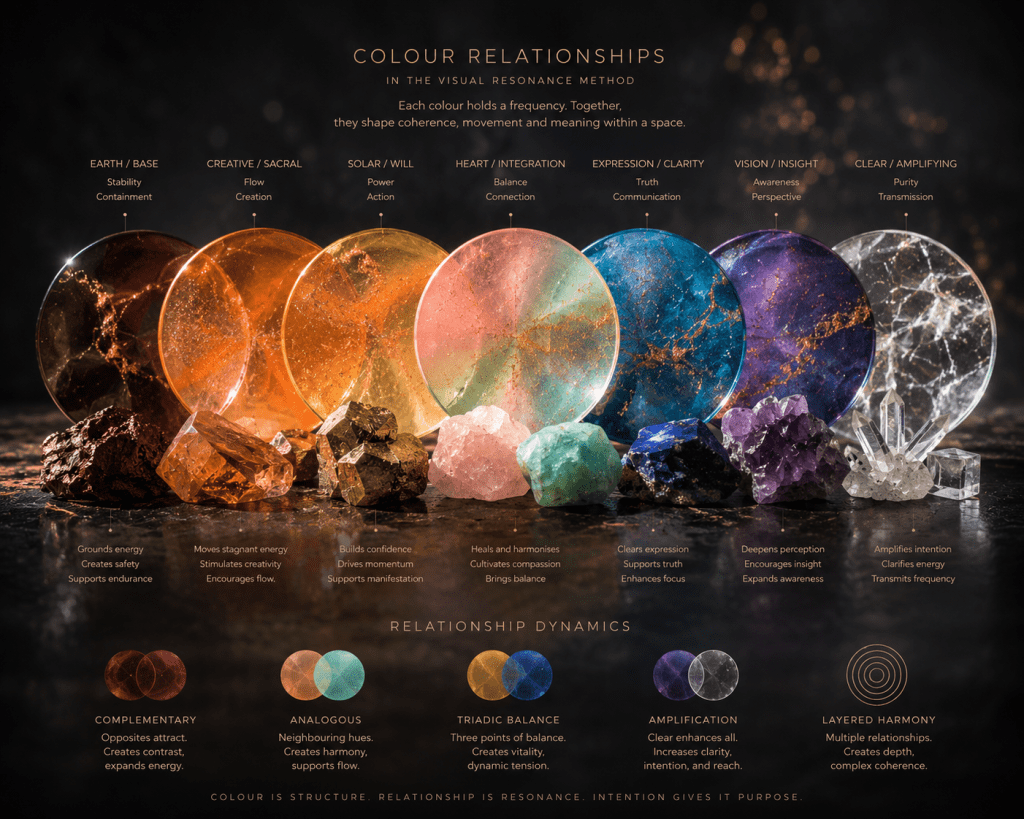
The Colour Harmonics framework explores how carefully balanced palettes may influence the way we perceive, attend to, and emotionally engage with our environment.
Rather than assigning fixed meanings to individual colours, the framework considers the relationships between colours and the qualities they evoke when experienced together.
Colour & Human Experience
Across psychology, neuroscience, design, and the arts, colour has long been recognised as an important influence on human perception.
Different colour relationships can affect the atmosphere of a space, guide attention, evoke emotional associations, and contribute to our experience of comfort, energy, calm, or focus.
While these responses vary between individuals and cultures, recurring patterns appear throughout both nature and human experience.
Within the Visual Resonance Method, these observations become part of an ongoing artistic inquiry.
How might thoughtfully composed colour relationships influence the way we experience ourselves within a space?
The answer is not prescribed.
It is discovered through observation.
Colour as Harmonic Structure
The Visual Resonance Method approaches colour as a harmonic system rather than a collection of isolated hues.
Each palette is composed through relationships of contrast, balance, saturation, luminosity, and temperature.
Together with geometry, material selection, and layered construction, colour contributes to the overall character of a work.
No single element carries meaning alone.
Meaning emerges through the interaction of the whole.
The Harmonic Spectrum
The Colour Harmonics framework is organised into a series of interconnected families that appear throughout the SNRGY.art collection.
Each harmonic explores a distinct atmosphere while remaining connected to the broader visual language of the Visual Resonance Method.
Earth Harmonics (EAR)
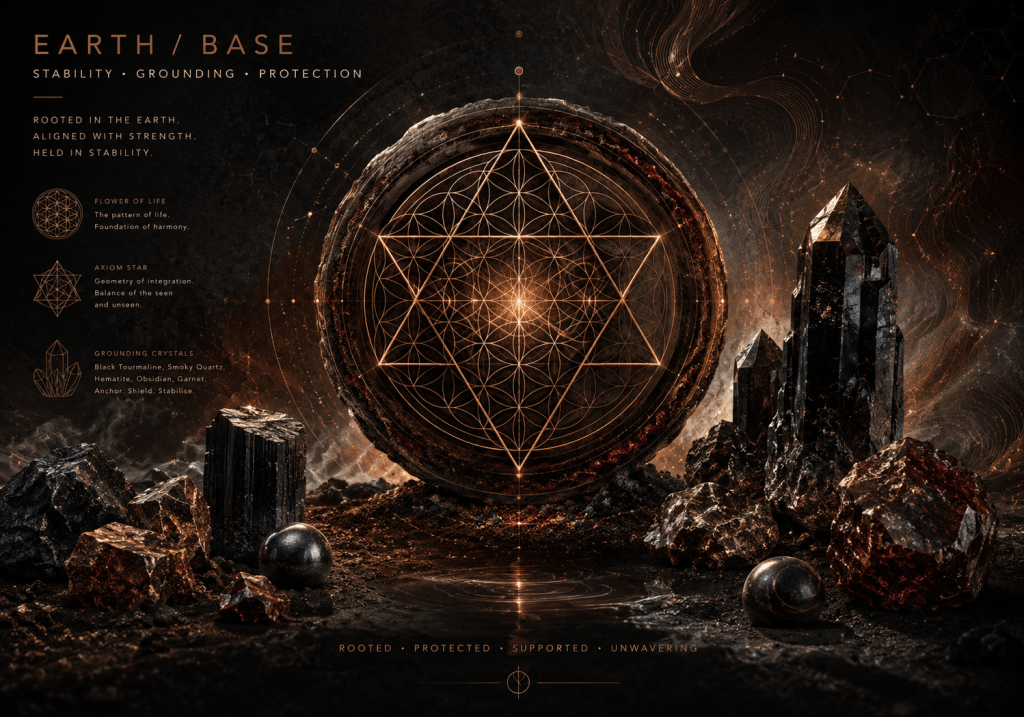
Grounding, resilience, structure, and connection with the natural world.
Creative Harmonics (SAC)
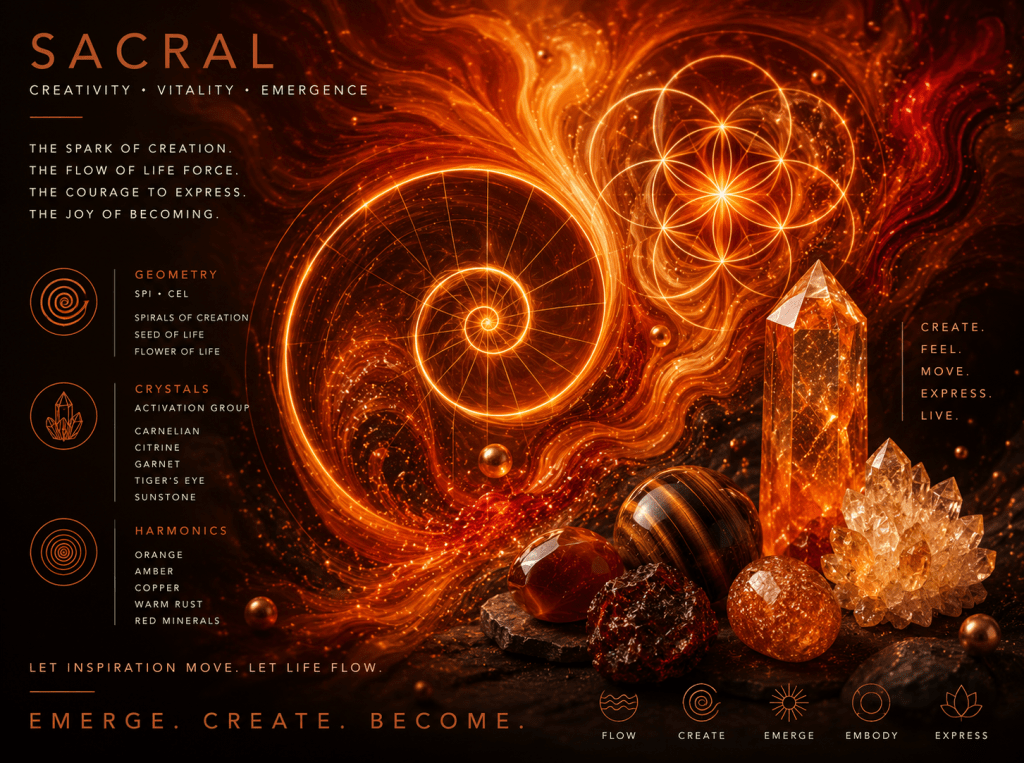
Expression, imagination, curiosity, and creative flow.
Solar Harmonics (SOL)
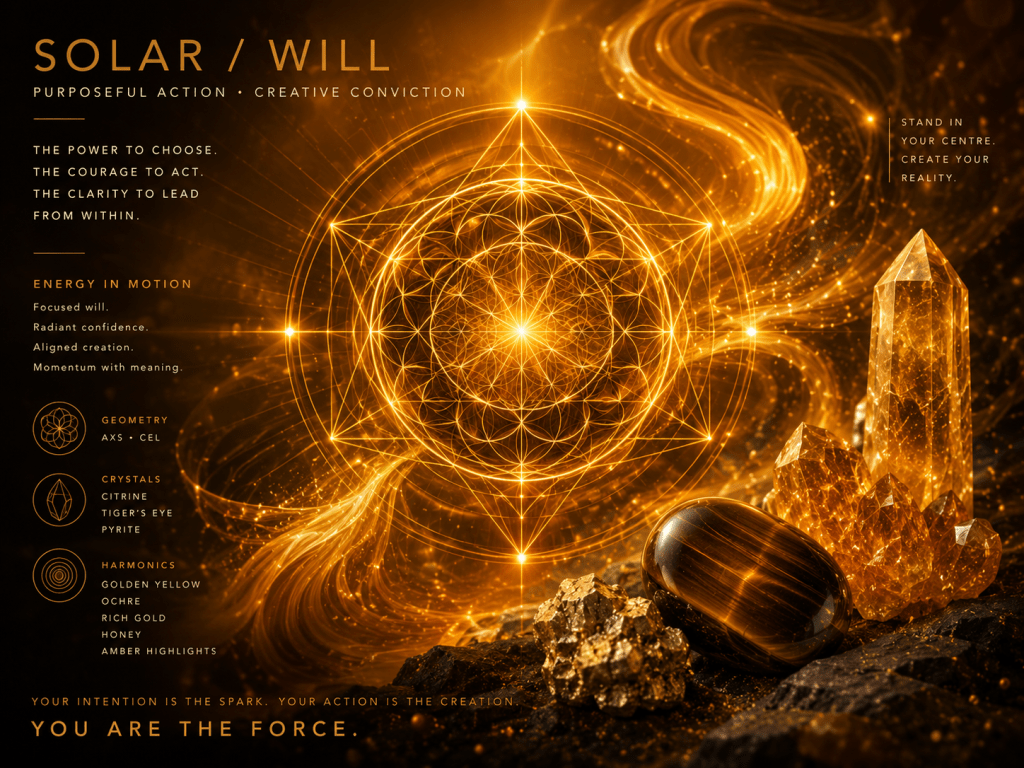
Confidence, vitality, purposeful action, and self-leadership.
Heart Harmonics (HRT)
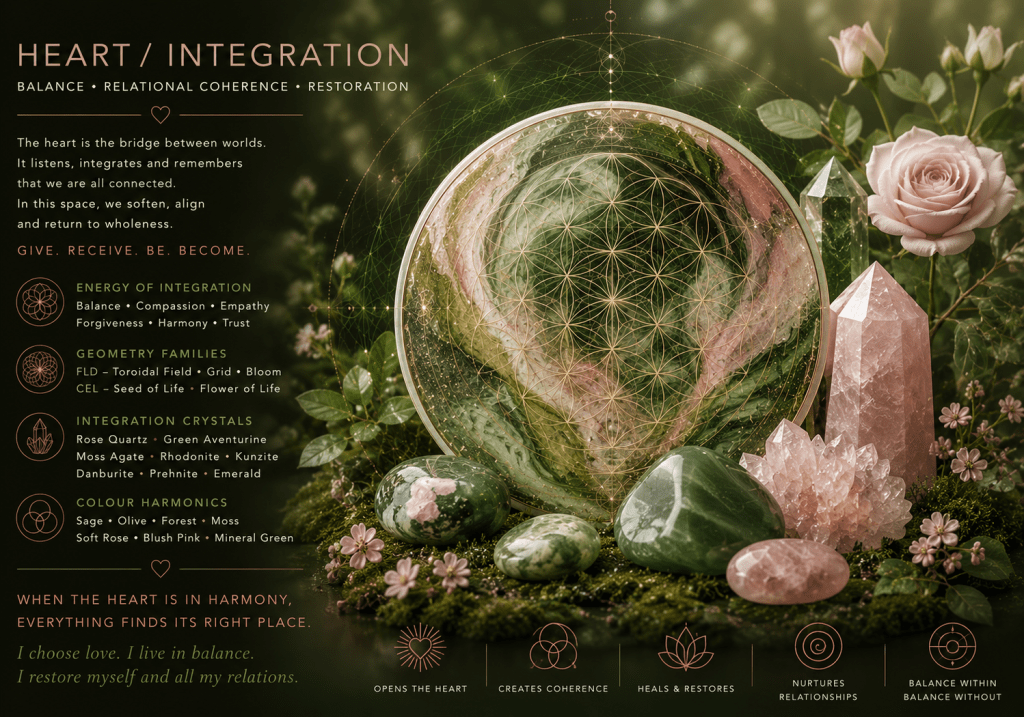
Connection, compassion, harmony, and emotional balance.
Expression Harmonics (EXP)
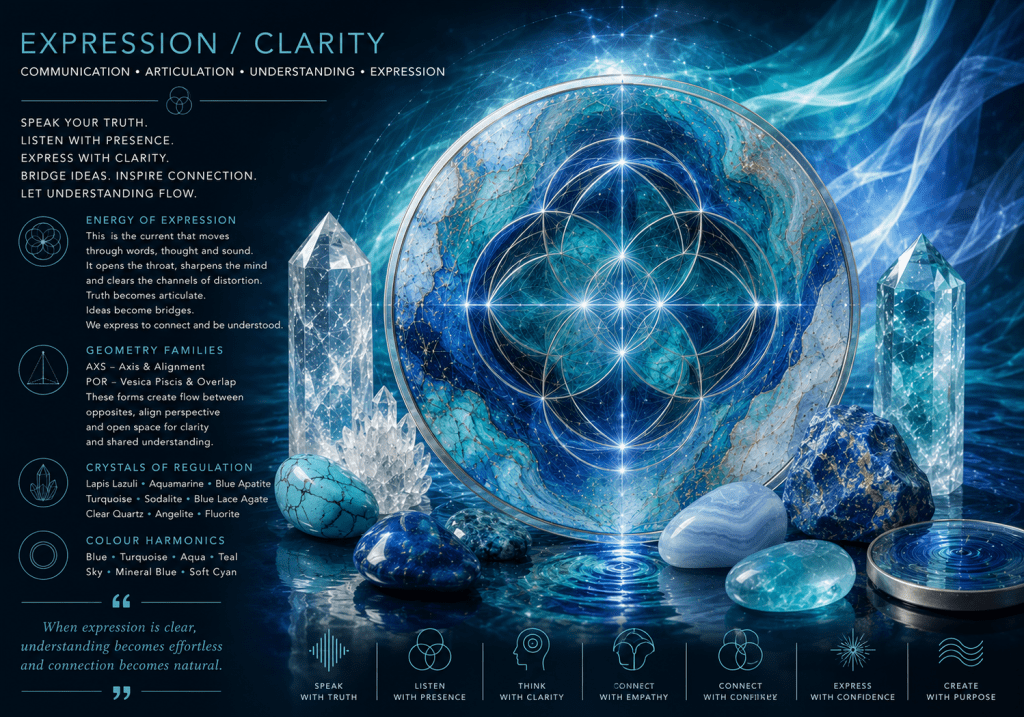
Communication, authenticity, clarity of voice, and creative expression.
Vision Harmonics (VIS)
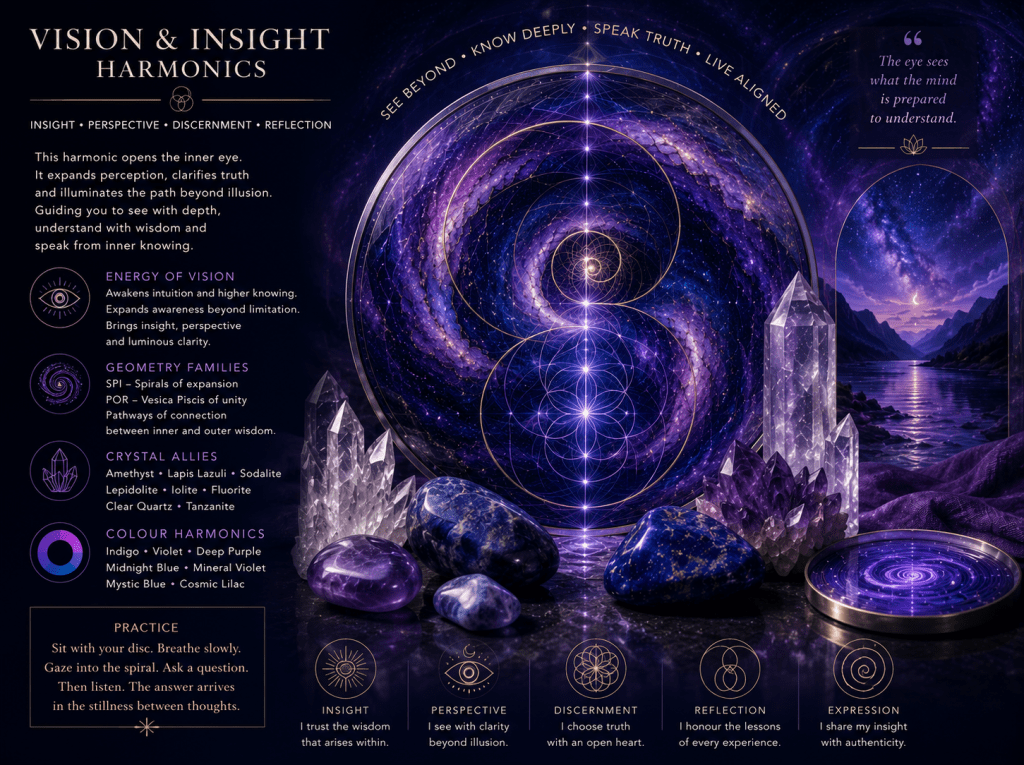
Insight, perception, reflection, and expanded awareness.
Clear Harmonics (CLR)
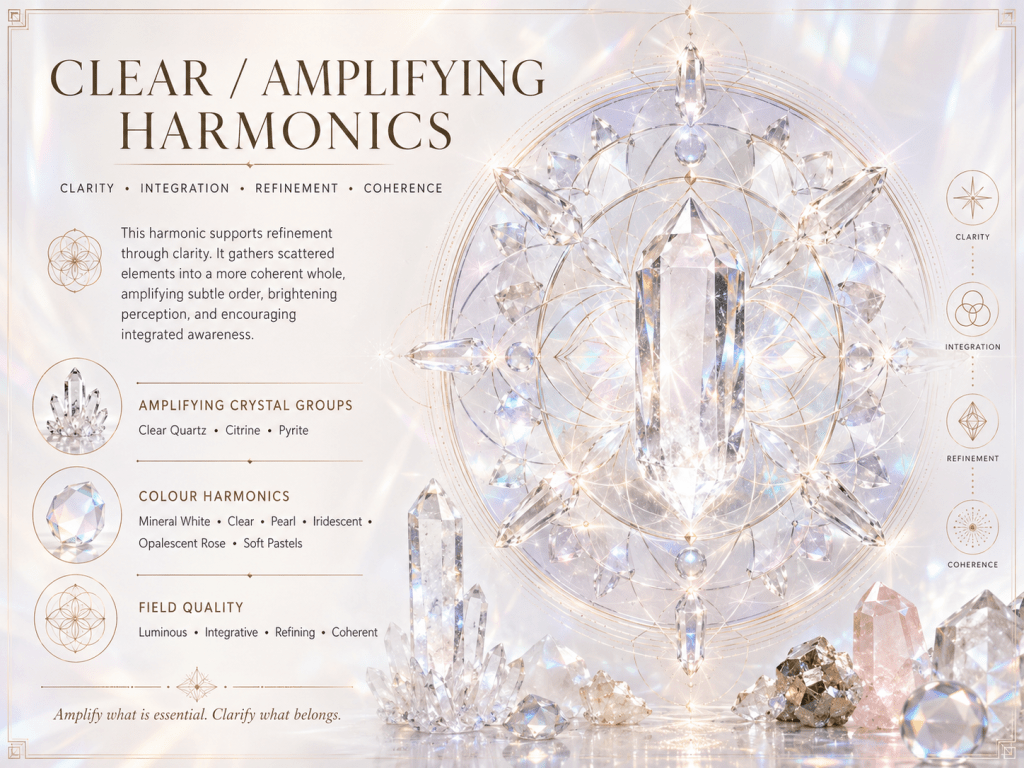
Amplification, coherence, integration, and spaciousness.
A Living Exploration
The Colour Harmonics framework continues to evolve through observation, studio experimentation, and the ongoing development of the Visual Resonance Method.
As new works emerge, new relationships between colour, material, geometry, and perception continue to reveal themselves.
Rather than presenting colour as a fixed symbolic code, the framework remains an invitation to notice.
To observe how different palettes shape atmosphere.
To recognise how colour influences attention.
To discover the subtle ways visual environments participate in our everyday experience.
Every artwork becomes another opportunity to explore this relationship.
And every observation becomes part of the continuing conversation.

