Structural Form

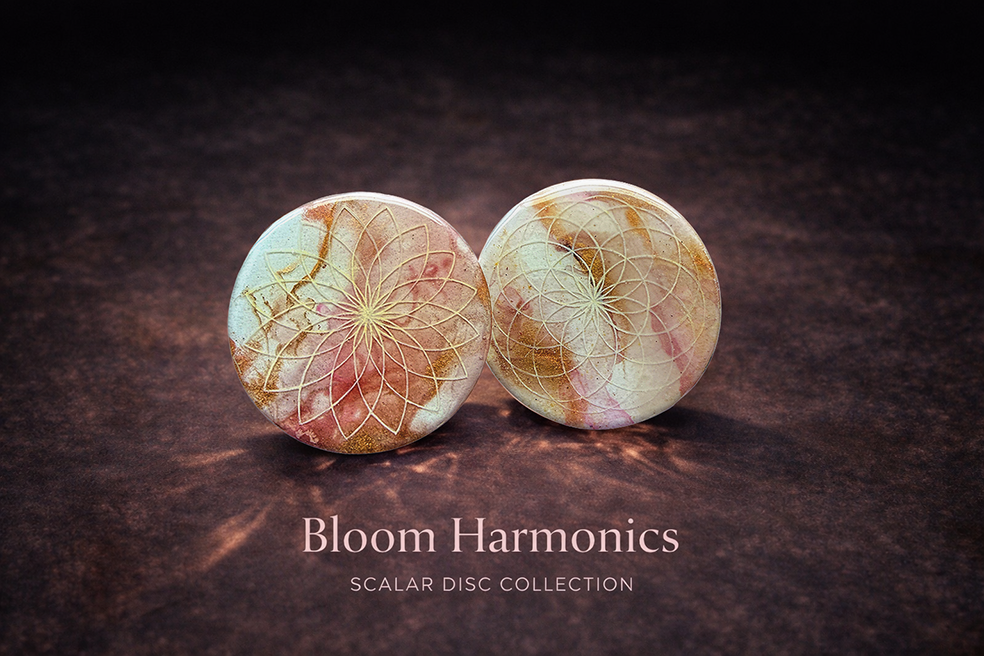
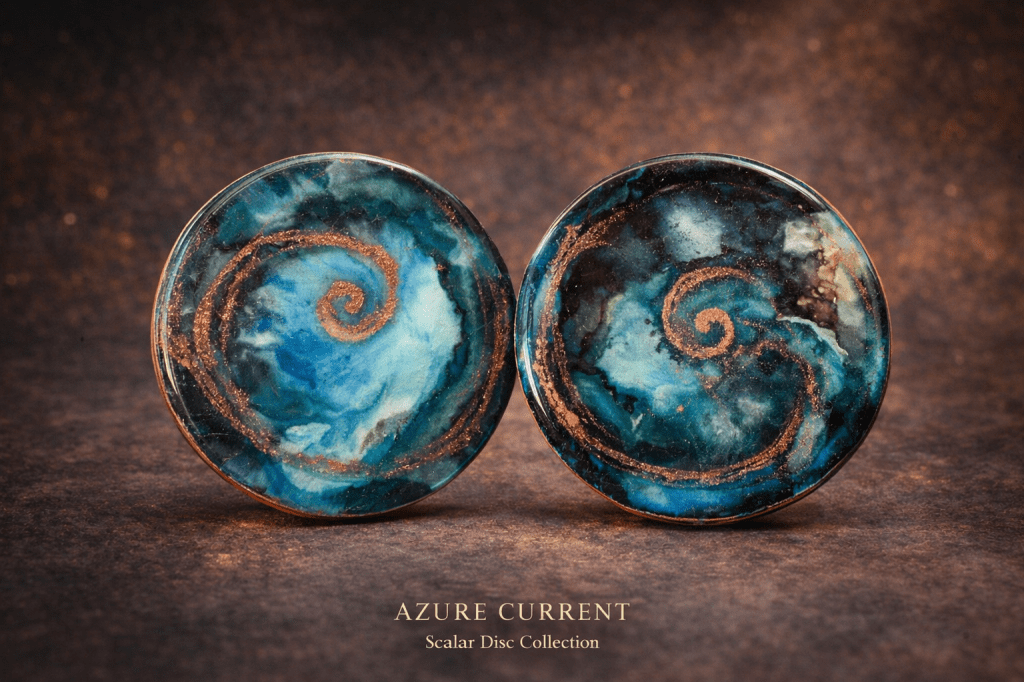
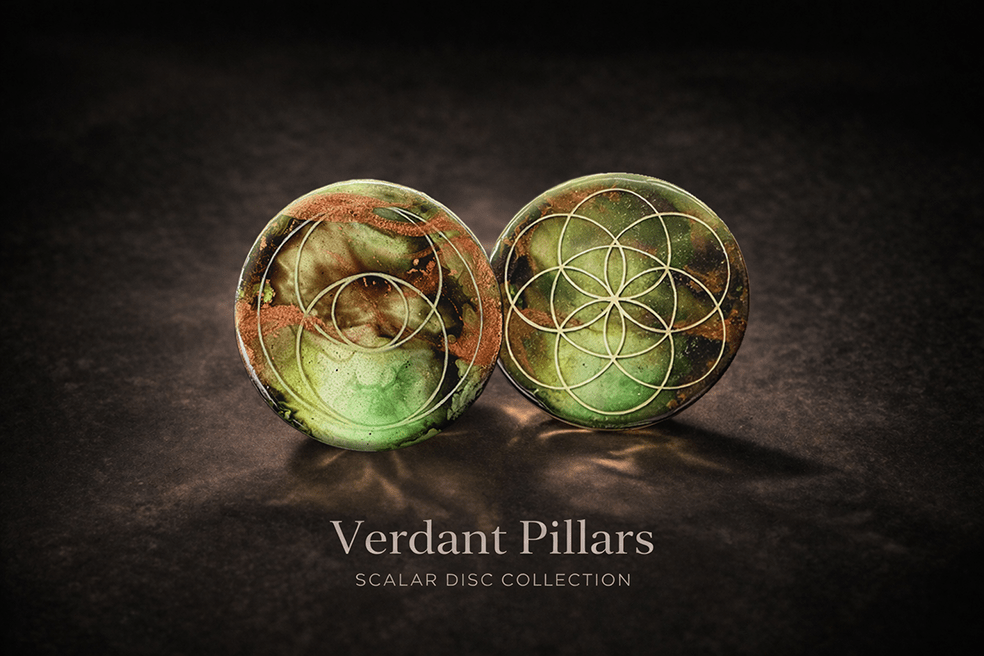
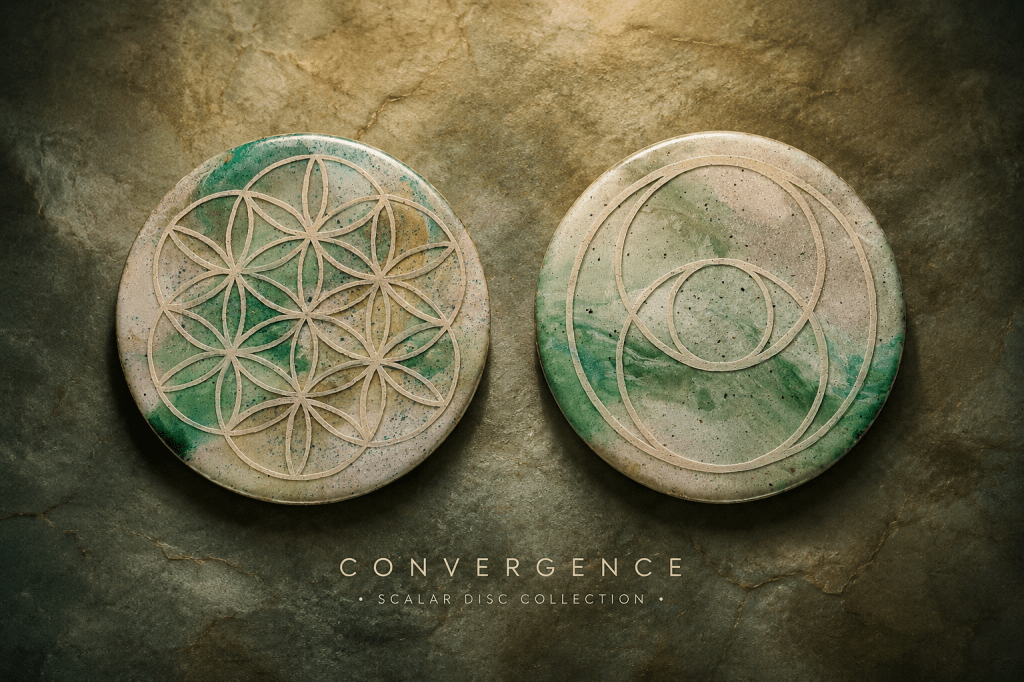
Transmission / Reception Configurations are complementary harmonic configurations developed to explore directional relationships within the Harmonic Architecture Series.
Unlike Stand Alone Configurations, which investigate a single self-contained harmonic arrangement, or Dual Loop Configurations, which emphasise reciprocal dialogue, the TX / RX Structural Form assigns distinct yet complementary roles to each configuration.
One configuration is developed as a Transmitter (TX), while the other is developed as a Receiver (RX). Together they investigate how complementary visual structures may contribute to a unified artistic dialogue through intentional difference rather than symmetry.
Within the Harmonic Codex, the emphasis is placed on the relationship between these roles rather than on either configuration individually.
Within the Collection
The TX / RX Structural Form expands the Harmonic Architecture Series beyond independent investigations by introducing directional organisation.
Although both configurations remain complete works in their own right, they are conceived as complementary participants within a shared harmonic study.
This approach allows individual configurations to explore distinct characteristics while contributing to a broader investigation into organisation, correspondence and visual relationship.
Rather than existing as opposites, the two roles are understood as complementary aspects of the same documented configuration.
Within the SNRGY.art Practice
The Transmission / Reception System provides an ongoing framework for exploring how differing combinations of geometry, colour harmonics, crystalline materials and composition may establish complementary relationships across multiple works.
Within the Visual Resonance Method, the designation of Transmitter and Receiver is used as an organisational principle during the creative process.
These roles describe the intended relationship between the configurations within the artistic investigation. They do not constitute measurable scientific classifications, but instead form part of the evolving visual language documented throughout the Harmonic Codex.
As additional works are created, ongoing observation may continue to refine how these structural roles are understood within the practice.
For Collectors
Each Transmission / Reception pair is documented as a complementary investigation within the Harmonic Codex.
Collectors may choose to experience each configuration individually or together, exploring how their visual language, geometry and material relationships contribute to the broader dialogue recorded within the archive.
Every edition is individually handcrafted, resulting in natural variations in pigment movement, crystalline distribution and surface character while remaining faithful to the documented harmonic configuration.
The accompanying Archive Records preserve both the individuality of each configuration and the relationship that connects them within the wider investigation.
Archive Principle
Two complementary roles. One directional investigation.
The Harmonic Codex documents not only the characteristics of each configuration, but also the intentional relationship established between them, preserving the evolving language of transmission and reception as an ongoing area of artistic research.
Harmonic Network
Continue exploring:
- Stand Alone Configurations
- Dual Loop Configurations
- Shadow Work Trilogies
- Harmonic Sets
- Visual Resonance Method